
What is Sustainability?
Sustainability is defined as the harmonious integration of environmental health, social equity, and economic vitality to build communities that are thriving, healthy, diverse, and resilient—both now and for future generations. It acknowledges the deep interconnections between ecological, social, and economic systems and embraces a holistic, systems-based approach to problem-solving. Practicing sustainability means understanding the complexity of these relationships and making decisions that support long-term balance and well-being across all areas of life. (UCLA Sustainability, n.d.) As we all know, sustainability is about reducing deforestation, conserving water and energy, and minimizing waste. Paper made from trees has a high environmental cost, including the destruction of natural habitats, carbon emissions, and water pollution.
Background research Paperless and Stop Cutting Forests
Introduction
Our increasing reliance on paper, from notebooks and packaging to receipts and marketing materials, continues to have a profound impact on the environment. This project explores the importance of reducing paper consumption and transitioning to digital alternatives to protect forests and promote sustainable living.
What Is the Problem?
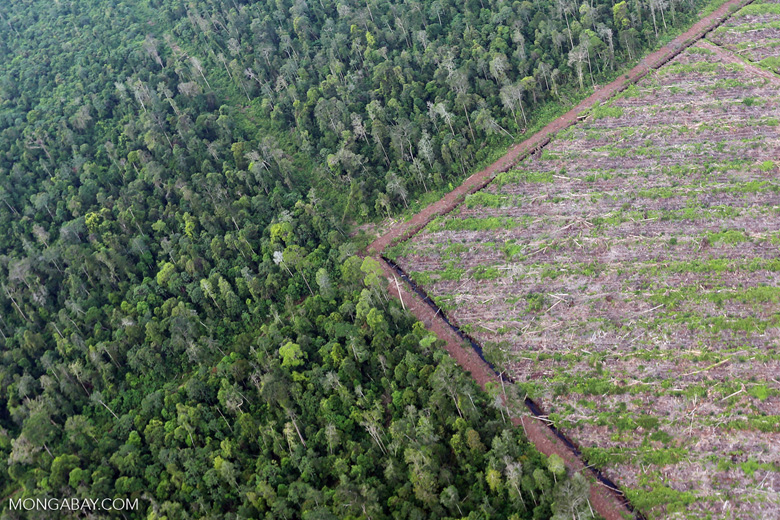
Paper has long been a cornerstone of human progress, contributing immensely to education, hygiene, art, and literature. It remains a valuable resource, yet like many other commodities it is often overused and misused, particularly in industrialized nations. Among the most resource-intensive sectors globally, the pulp and paper industry exerts a profound influence on forest ecosystems. From office documents and glossy magazines to tissue products and packaging, paper is embedded in everyday life. However, this convenience comes at a steep environmental cost: the industry consumes an estimated 13–15% of the world’s total wood supply and is responsible for 33–40% of all industrial wood traded globally. The United States, as the second-largest producer and consumer of paper, plays a key role in sustaining this demand contributing significantly to deforestation, habitat loss, and environmental degradation on a global scale.
Why Going Paperless Matters
With today’s technology, going digital is both possible and practical. From cloud storage to e-books and online forms, digital alternatives reduce the demand for paper. Offices that go paperless can reduce waste by up to 80%, while schools and universities can save thousands of trees annually by moving to digital materials
Going paperless is not just about saving trees; it’s about rethinking how we use resources and promoting a more sustainable lifestyle. It also aligns with many organizations’ environmental, social, and governance (ESG) goals.
Target audience
My target audience is primarily office workers and business professionals who regularly rely on paper for reports, meetings, and communication. Many in this group are already familiar with digital tools but may not realize the full environmental impact of traditional paper use. This animation encourages them to adopt more sustainable practices at work, such as switching to digital documents and cloud-based collaboration. By highlighting simple, practical changes, the project aims to show how businesses can reduce waste and lead the shift toward a greener, more responsible workplace.
Purpose
The purpose of this animation is to raise awareness about the environmental impact of paper production, highlighting the often-overlooked consequences of our everyday choices. It aims to promote digital alternatives as not only sustainable but also accessible solutions that align with modern lifestyles. Through clear messaging and relatable examples, the animation seeks to encourage ethical decision-making in our daily habits, especially regarding how we consume and dispose of paper. To support this message, I will create a minimalist visual style—clean, simple, and focused—designed to make the content easy to understand while keeping the audience engaged. Ultimately, the goal is to inspire change through thoughtful visual storytelling that is both educational and emotionally resonant.
References list
- UCLA Sustainability. (n.d.). What is Sustainability? [online] Available at: https://sustain.ucla.edu/what-is-sustainability/.
- World Wildlife Fund (2019). Pulp and Paper | Industries | WWF. [online] World Wildlife Fund. Available at: https://www.worldwildlife.org/industries/pulp-and-paper.
- Butler, R. (2019). Deforestation. [online] WorldRainforests.com. Available at: https://worldrainforests.com/08-deforestation.html.