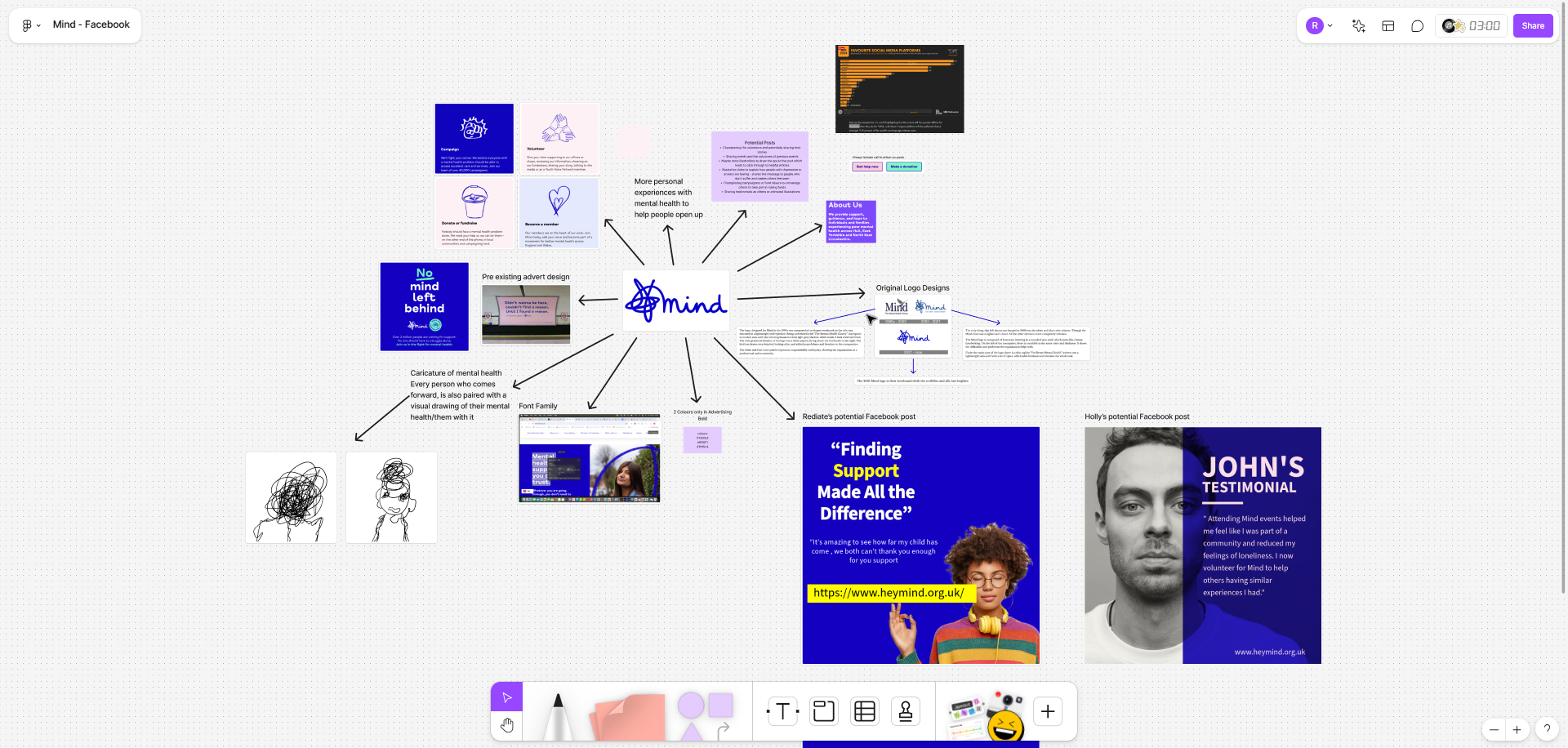
We assessed TimeBank Hull and East Riding’s web presence as part of our group project. It was my responsibility to evaluate the website’s identity, responsiveness, typography, and accessibility. I identified some areas that needed work, like inconsistent use of the logo and colour scheme, a lack of responsive design, and missing alt text for photos, all of which negatively impact user experience.
The significance of accessibility and consistency in online design was brought to light by these problems. The site may appear less professional and inclusive if it lacks accessible features like alt text and mobile friendliness. Building user trust and engagement—both of which are critical for non-profit credibility—is more difficult in the absence of social proof and consistent branding.
I would suggest integrating social proof, utilising a responsive design, and making sure that the branding is consistent in order to improve the website and alt text for accessibility. This experience reinforced my awareness of web design’s impact on user experience, and I plan to prioritize these aspects in future projects.
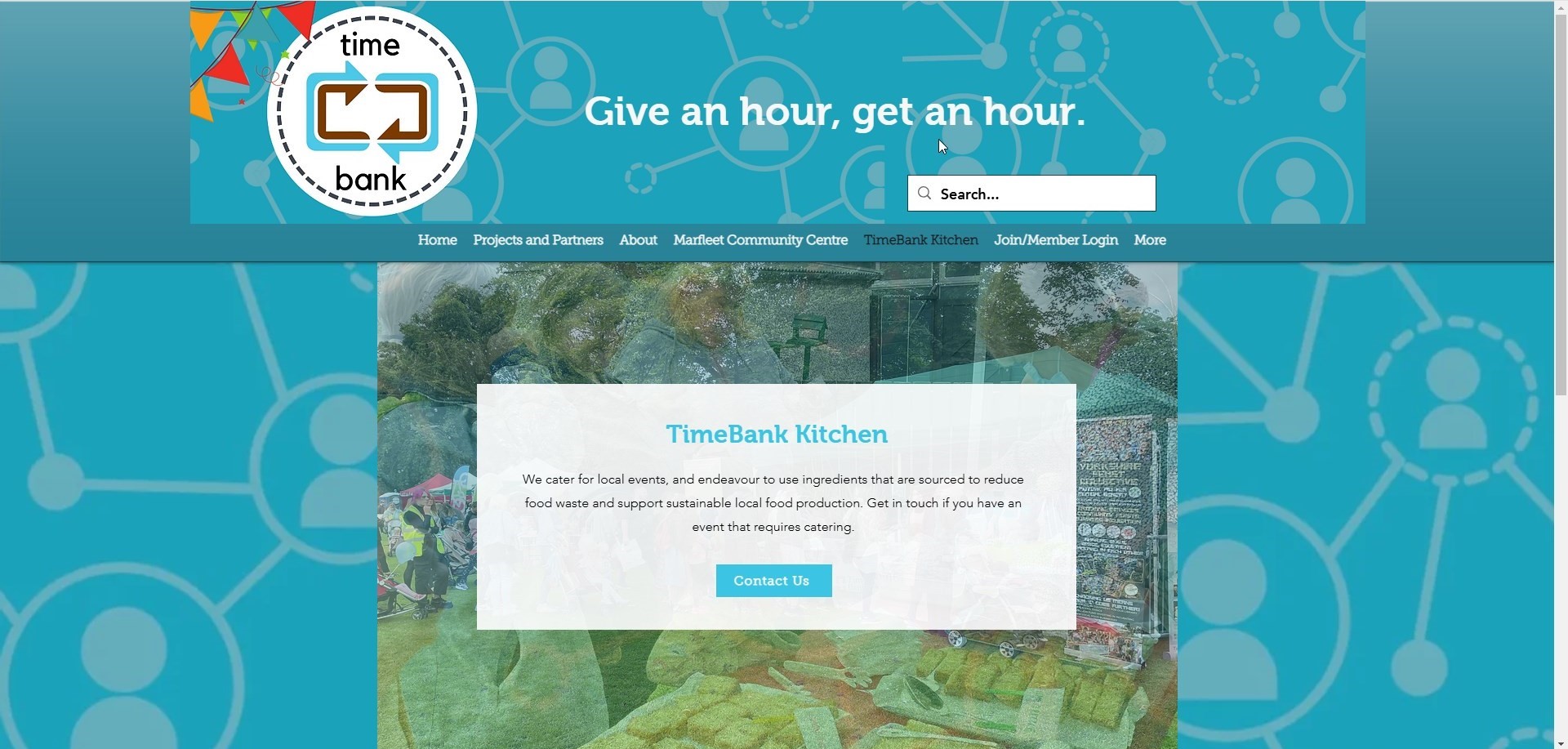
Together with my team, I made a social media post for the nonprofit mental health organisation Mind. Understanding their tone and style allowed us to make sure our work complemented their current brand language. Together, we first looked over Mind’s website and social media accounts, observing their colour schemes, messaging, and method of talking about mental health. Following that, we made a shared FigJam board to record our ideas and observations, arranging them into a mood board for conceptual and visual motivation. In order to comprehend Mind’s influence and what appeals to their audience, I specifically contributed by analysing their social media presence. I used this realisation to assist the team in coming up with and creating an educational and sympathetic first post idea.
In a different manner, this experience brought to light the value of both independence and partnership. This exercise made me realise that, despite my preconceived notions about independence, it can also refer to self-reliance in a group setting, functioning without the direct supervision of a teacher or lecturer. In order to better our final product, we took the initiative to carry out our research, decide on our design, and discuss and critique each other’s ideas as a team. This cooperative method demonstrated the creative power of teamwork; by working together, we were able to produce a more robust and well-considered idea than any one of us could have done on our own. I gained a better understanding of Mind’s goals and communication style by looking at their online presence, which enabled me to offer well-informed recommendations on how we could reflect these values in our content. Additionally, I saw how creative independence—taking ownership of research and contribution—can lead to more innovative and cohesive teamwork.
I’ll use these realisations for next group projects. I will now approach projects with a proactive perspective, carrying out pertinent research and presenting prepared ideas to the table because I understand how important individual initiative is to teamwork. I also think it’s beneficial to use visual collaboration platforms like FigJam and mood boards to organise ideas and explore them as a group. Since it helps create a common goal and makes the task at hand more clear, I will push my colleagues to use similar approaches early on in my next project. My awareness for different viewpoints in group projects has grown as a result of this experience, and I intend to keep developing this collaborative independence by making sure that each team member’s contributions are respected and that we all have the space to be independently creative within a supportive team structure.