
Digital marketing
Digital marketing is composed of the various online outreach strategies that organizations like yours use to promote your cause to current and potential supporters. (Augustin, 2024) In my opinion, this quotation sums up digital marketing quite well and emphasises the significance of non-profits using new technologies. Traditional approaches to outreach and fundraising are no longer sufficient for non-profit organisations in today’s digital age. Digital marketing is a fantastic chance to increase awareness, better mobilise resources, and interact with supporters on a deeper level. In ways that were previously unthinkable, non-profits may use digital technology to broaden their audience, magnify their message, and make a lasting impression. The power of digital marketing enables non-profits to forge deep connections with supporters and further their missions, whether through email marketing, focused social media campaigns, or captivating content, the power of digital marketing helps non-profits build meaningful connections with supporters, driving their mission forward.
- Email marketing is a digital marketing strategy that involves sending promotional messages or content to subscribers via email. This allows marketers to nurture relationships, generate leads, and drive sales. (Patel, 2019b) Non-profit organisations can gain a lot from email marketing since it builds relationships, boosts engagement, and helps with fundraising. It is an affordable communication tool that enables non-profits to reach big audiences without having to pay for expensive traditional outreach strategies like postage and printing. By sharing stories, recognising contributions, and updating supporters, volunteers and contributors on future projects, regular newsletters and customised emails foster relationships with these groups. This constant contact promotes long-term involvement by fortifying the emotional connection between supporters and the cause. Furthermore, non-profits can use real-time statistics from email marketing to gauge the effectiveness of their efforts using metrics like click-through rates, open rates, and gift conversions. A/B testing and refinement are two ways that this data-driven strategy helps future ads be optimised. In addition to saving time, automated campaigns enable non-profits to send thank-you emails, event reminders, and welcome greetings without the need for human participation.
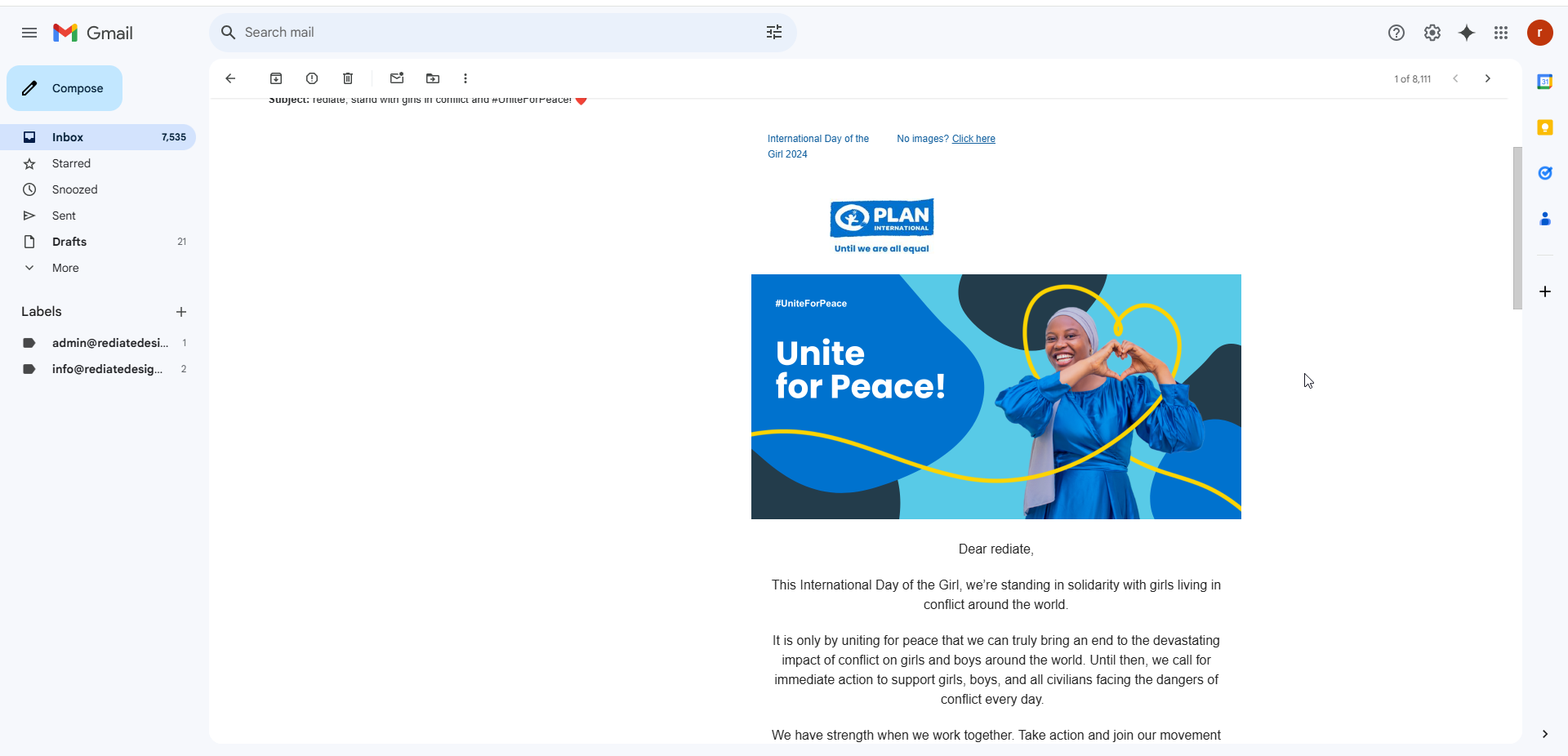
Example of email marketing
Supporters are successfully engaged by Plan International’s email marketing strategy thanks to impactful calls to action, captivating storytelling, and tailored campaigns. Recurring donors receive updates on the impact of their gifts, while new subscribers may receive a welcome series. Plan segments their audience based on interests and donation history to make messaging more relevant. Together with powerful imagery, their emails frequently feature true tales from the communities they serve, fostering an emotional response that encourages donations.
Search engine optimization (SEO)
SEO for Non-profits: “Search engine optimization (SEO) for non-profits is the practice of increasing a non-profit’s website visibility in search engine results pages (SERPs). To reach organic visitors who want to learn about the support and opportunities non-profits offer. (Perco, 2023) Search Engine Optimisation (SEO) is a fundamental tactic in digital marketing. A discoverable website is crucial for non-profits. In order to raise a website’s ranking on search engine results pages, SEO entails optimising its content, structure, and metadata. A well-optimized website improves your chances of getting discovered when prospective supporters look for causes that match their interests. To increase visibility, NGO’s might concentrate on pertinent keywords, provide worthwhile material that speaks to community needs, and develop backlinks from reliable sources. In addition to increasing traffic, good SEO builds trust, which aids organisations in gaining more support and donations.
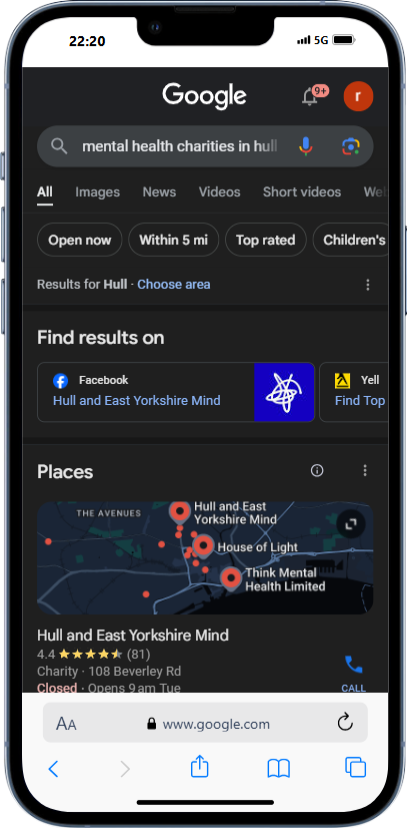
For example, these NGOs show up when I search for “Mental Health Charities in Hull.”
Which informs us East Yorkshire and Hull employ keywords and have superior SEO optimisation. In contrast to other mental health Charities aid charity organisations in promoting their offerings, recruiting new volunteers, and bringing attention to certain problems. Non-profits can increase fundraising efforts and draw in donations with more traffic. Make it shorter and better.
Social Media Marketing
“Social media is not just about likes and shares; it’s a direct channel to share your mission and inspire donations.” (Crossley, 2023) Non-profit organisations need to use social media marketing if they want to genuinely increase their influence and reach. These platforms present a special chance to interact with communities around their missions and develop deep connections with supporters. Nonprofits can establish a strong network of advocates by building relationships, promoting awareness, facilitating funding, and recruiting volunteers. In the end, social media permits people to actively participate in promoting positive change in addition to assisting organisations in sharing their stories.
- Non-profits can use social media in the following ways:
- Building Community and Engagement
- Raising Awareness
- Fundraising Campaigns
- Volunteer Recruitment
- Analytics and Feedback
After doing some research, I’ve found two effective campaigns that demonstrate how non-profits have successfully used social media to further their goals. These initiatives show how social media marketing can effectively engage groups, increase awareness, and motivate significant action. These groups have effectively reached supporters and furthered their goals by using platforms to spread their views.
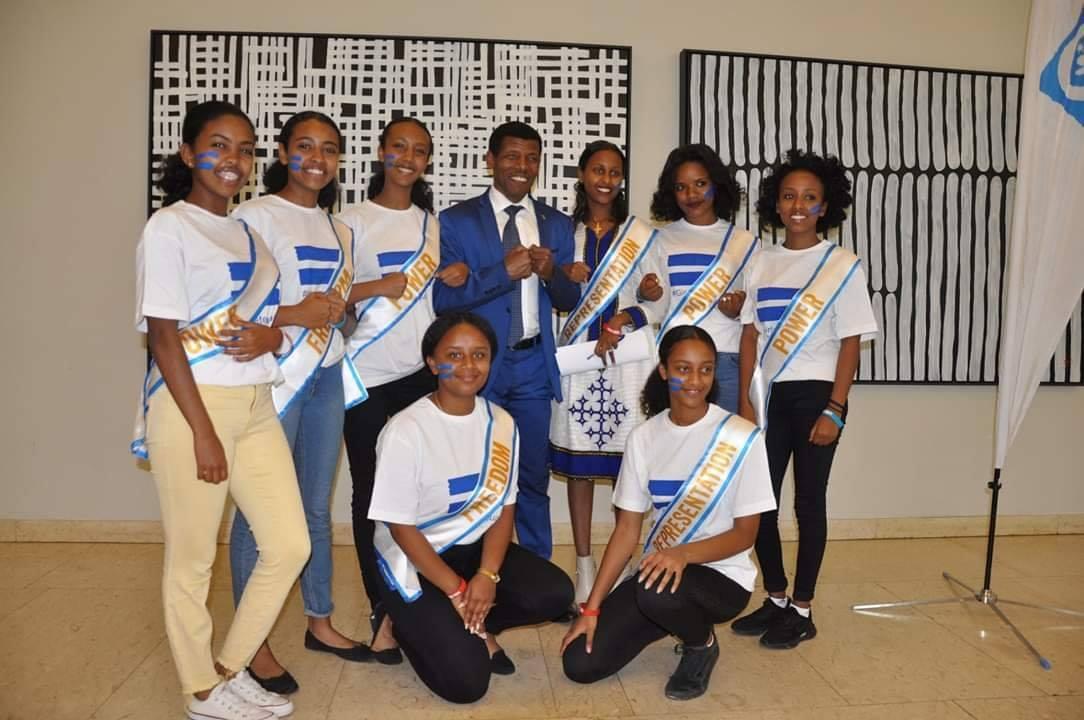
The Girls Get Equal campaign uses the equal sign painted on the face as a potent symbol to symbolise the struggle for gender equality. It stands for the desire that women and girls be granted equal rights and opportunities. Through the use of this powerful image, participants hope to challenge social norms and increase awareness of gender inequality.
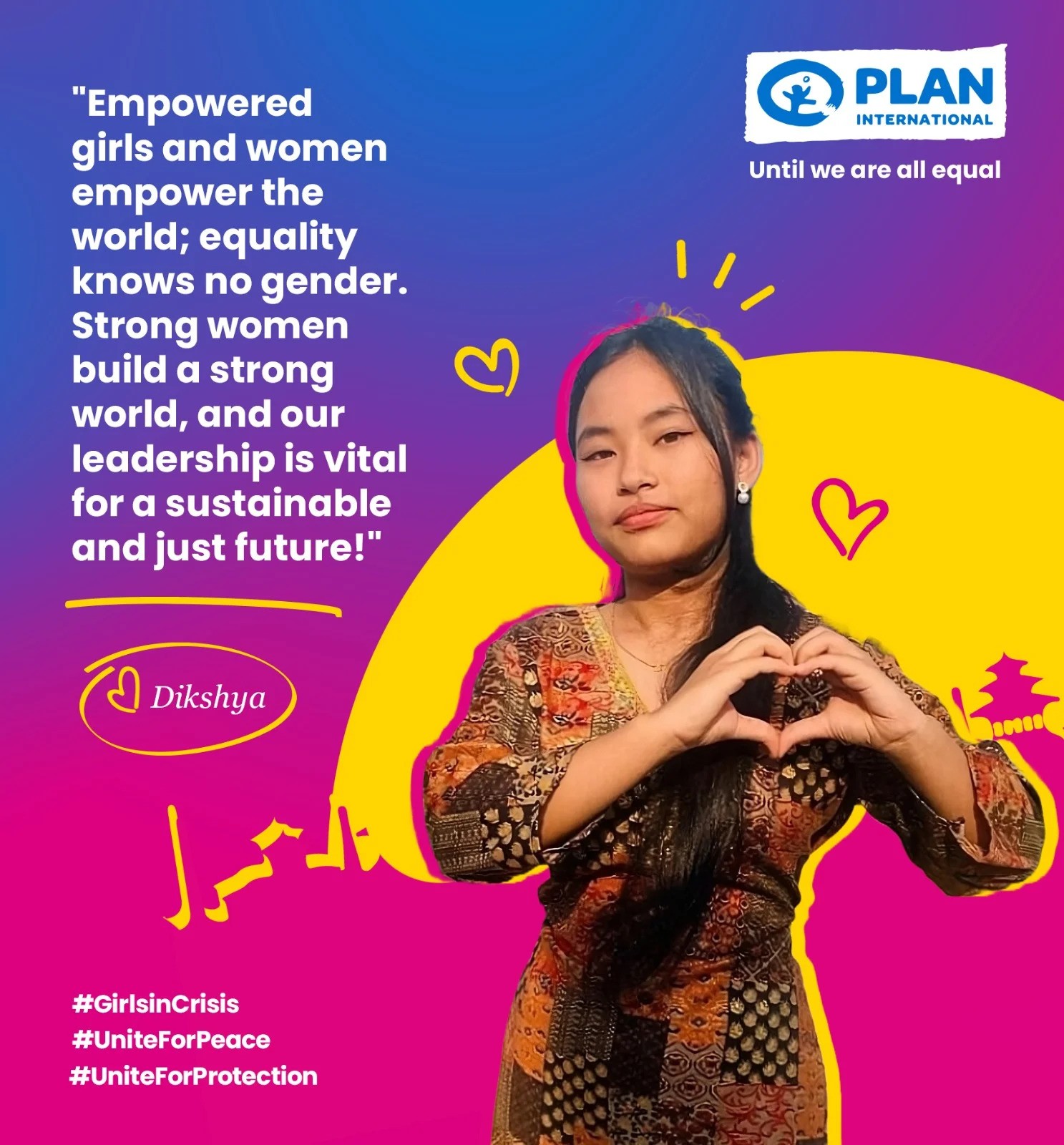
Promoting peaceful cohabitation among communities, nations, and cultures is the goal of the Unite for Peace initiative. The program aims to enable people to promote peace and justice by tackling issues of inequality, violence, and conflicts
Reference list
- Augustin, A. (2024). Digital Marketing for Nonprofits | A Comprehensive Guide. [online] www.feathr.co. Available at: https://www.feathr.co/resources/blog/digital-marketing-for-nonprofits.
- Patel, N. (2019). A Beginner’s Guide to Successful Email Marketing. [online] Neil Patel. Available at: https://neilpatel.com/blog/beginners-guide-email-marketing/.
- Perco, A. (2023). SEO for Nonprofits: 5 Best Practices for Charities To Improve SEO. [online] Semrush Blog. Available at: https://www.semrush.com/blog/seo-for-nonprofits/.
- Crossley, L. (2023). The Ultimate Guide to Social Media for Charities | Boss Digital. [online] Boss Digital. Available at: https://boss-digital.co.uk/ultimate-guides/the-ultimate-guide-to-social-media-for-charities/.
- Plan International. (2024). Campaigns – Plan International. [online] Available at: https://plan-international.org/campaigns/ [Accessed 25 Oct. 2024].