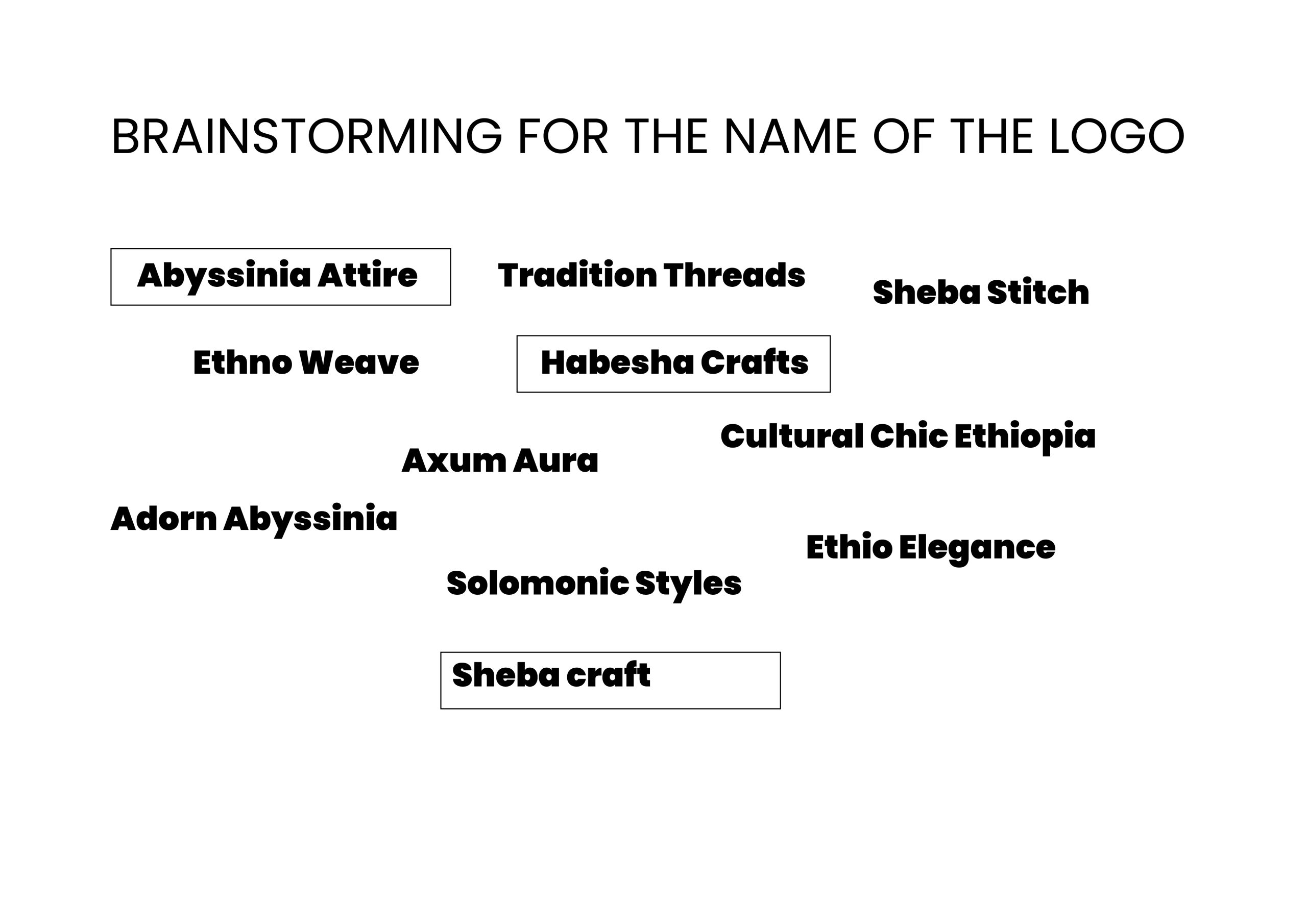
Initially, I would like I begin by researching ethiopian culture, traditional clothing, and related symbols to come up with ideas for a name and logo for a brand of traditional Ethiopian clothing that takes into account the rich cultural heritage, diversity, and symbolism associated with Ethiopian identity. Get ideas from traditional motifs, textiles, and historical allusions. This is the second step that I mentioned. Think about giving names that convey the Ethiopian identity’s cultural significance. For the final step, I try, words like unity, tradition, pride, and heritage can be a good place to start. Within the broader Ethiopian identity, consider names that are inspired by particular regions, ethnic groups, or cultural elements. This can give your brand a distinctive touch. Following the research, I attempted to list the names below using my findings.
then, for the second step of the process, I would select the top three names from the list and highlight my top choice using a rectangle. and i wold like define what name means.
1 Abyssinia Attire
The historical term “Abyssinia” was widely used in the West to refer to the area that is now Ethiopia and Eritrea. The term has been used historically by many different cultures and civilizations, and it comes from the old name for the area.
2 Habesha Crafts
The term “Habesha” refers to the people of the Horn of Africa, particularly in Ethiopia and Eritrea. It is an ethnic and cultural identifier used to describe the various ethnic groups and communities in the region.
3 Sheba crafts
Makeda is the name given to the Queen of Sheba in Ethiopian mythology and customs. Ethiopian folklore states that she was the queen of the ancient kingdom of Axum and that she had a son, Menelik I, who went on to become Ethiopia’s first emperor. The Ethiopian monarchy, known as the Solomonic dynasty, is regarded as having legitimacy due to its fabled relationship to King Solomon.
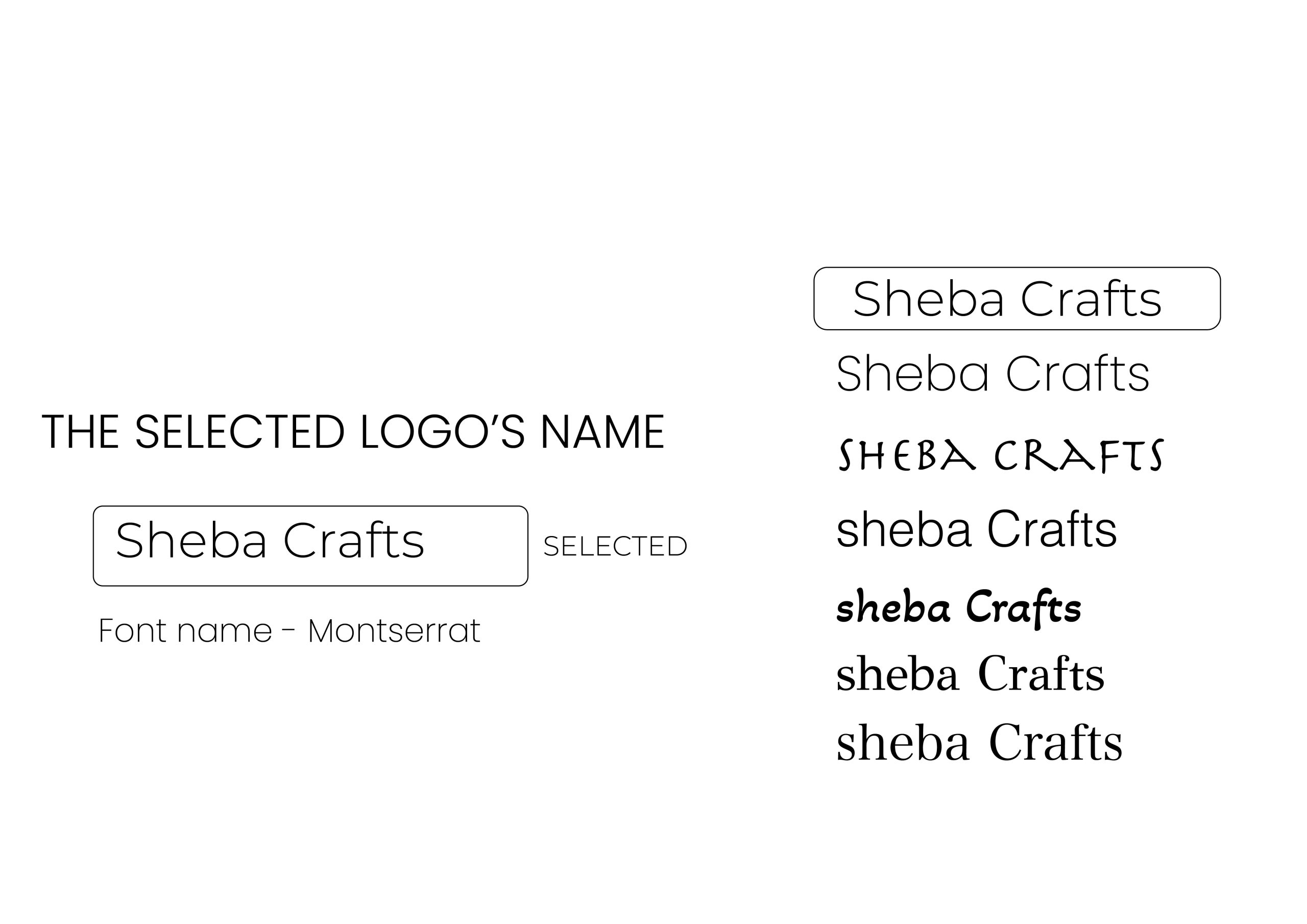
Selecting the appropriate font for my selected brand name was the third step. I tried a number of serif and sans-serif fonts in my experimentation until I discovered the ideal one for fashion branding. The project required us to design with a concuputal logo, so I had to be careful when selecting a font because it needed to be easily mapped, which made this necessary.I selected the Montserrat font based on my own experience since it is a sophisticated and adaptable typeface that is well-liked in a variety of design contexts, including the fashion industry.Montserrat has a sleek, modern style with simple, clean lines. The visual language used by luxury and fashion brands is well suited to this style.
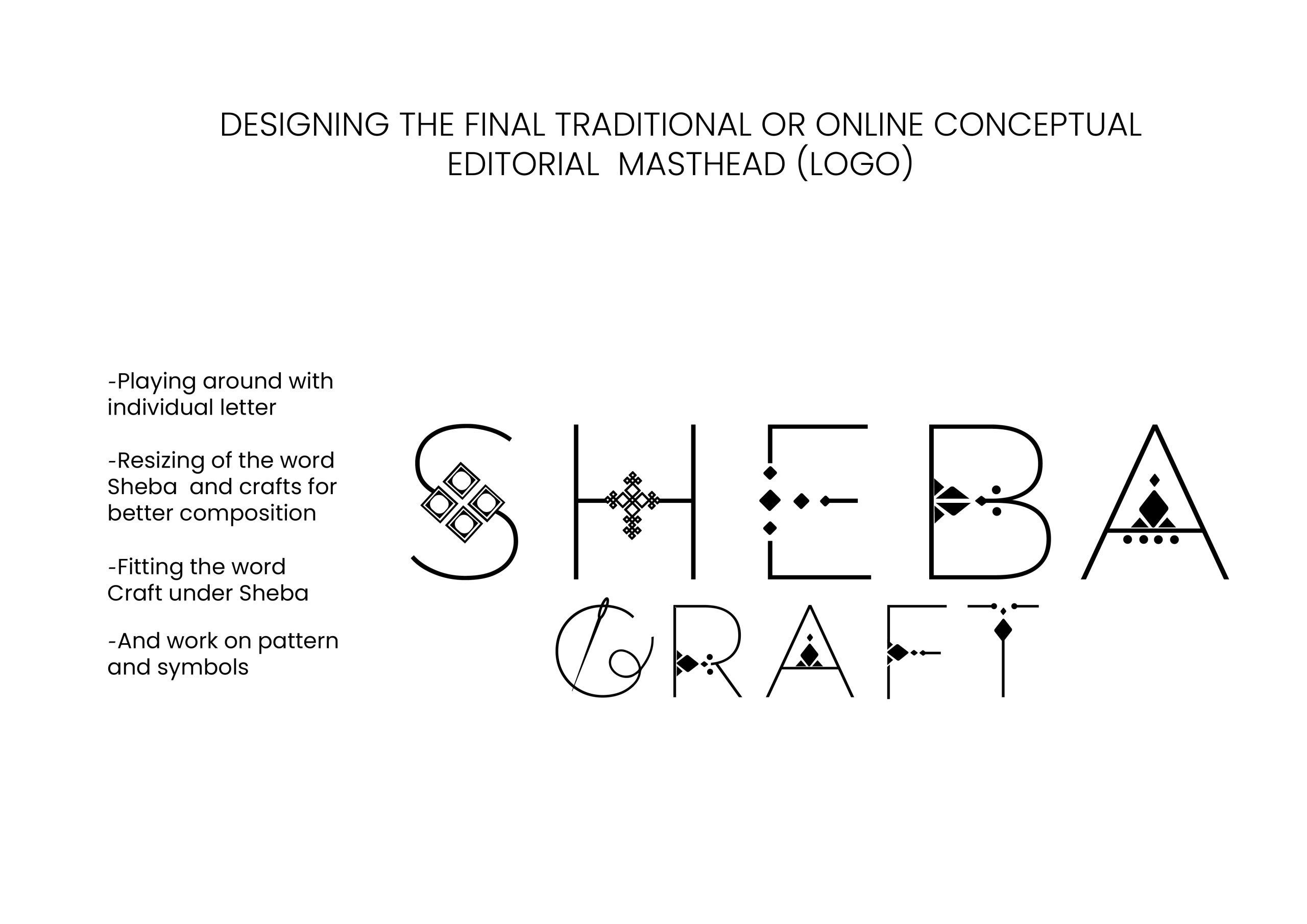
I’ve finally finished my conceptual logo, which combines patterns, symbols, and typography. The Queen of Sheba is revered in Ethiopian culture, and her tale has influenced many facets of cultural expression, including traditional attire, which is why I chose the brand name Sheba Craft. Her legend has inspired the use of colours, patterns, and symbols, enhancing Ethiopian cultural heritage. The history of Ethiopian textile design is Cross designs are frequently connected to Christianity. The use of crosses as symbols of spirituality, faith, and protection in clothing has long been influenced by the Ethiopian Orthodox Tewahedo Church. and designs featuring diamond shapes can stand for the fertility and life cycle. Connected diamonds could represent continuity. and Eyes can represent defence against evil spirits and the ability to see beyond the surface. They are often used to ward off negative energy.
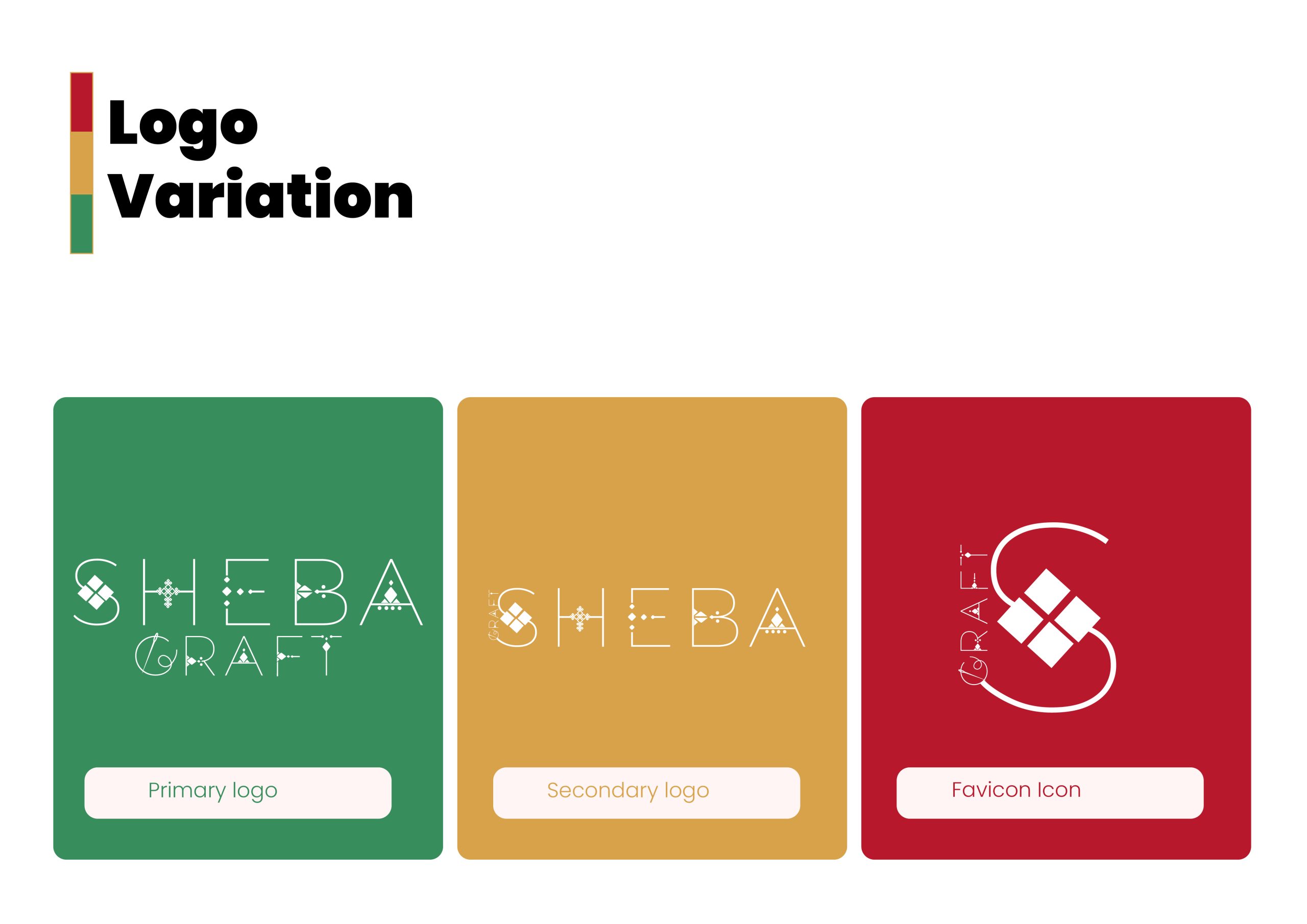
When I finally finished my logo variation, I tried designing three different kinds of logo compositions, one for my primary, one for my secondary, and one for a website or app logo.
Exclusion zone
For our logo to be clear and easy to read, there must be space surrounding it. The height of the words “habesha carft” as they appear in the logo should be the minimum size of this exclusion zone. No other design element should be placed here, not even partially.